Why Prescription Management Is the Core of Every Optical Practice
Every interaction in an optical store ultimately revolves around the prescription. Whether a patient is picking up their first pair of glasses, reordering contact lenses, or upgrading to progressive lenses, the prescription is the starting point. Managing this data accurately, securely, and efficiently is what separates excellent optical practices from average ones.
This guide covers everything you need to know about digital prescription management — from the data you should capture to the automated workflows that turn prescription records into a patient retention engine.
What a Complete Patient Prescription Record Contains
A well-structured digital prescription record captures far more than just the Rx powers. It should include:
- Patient demographics: Name, date of birth, contact details, and emergency contact
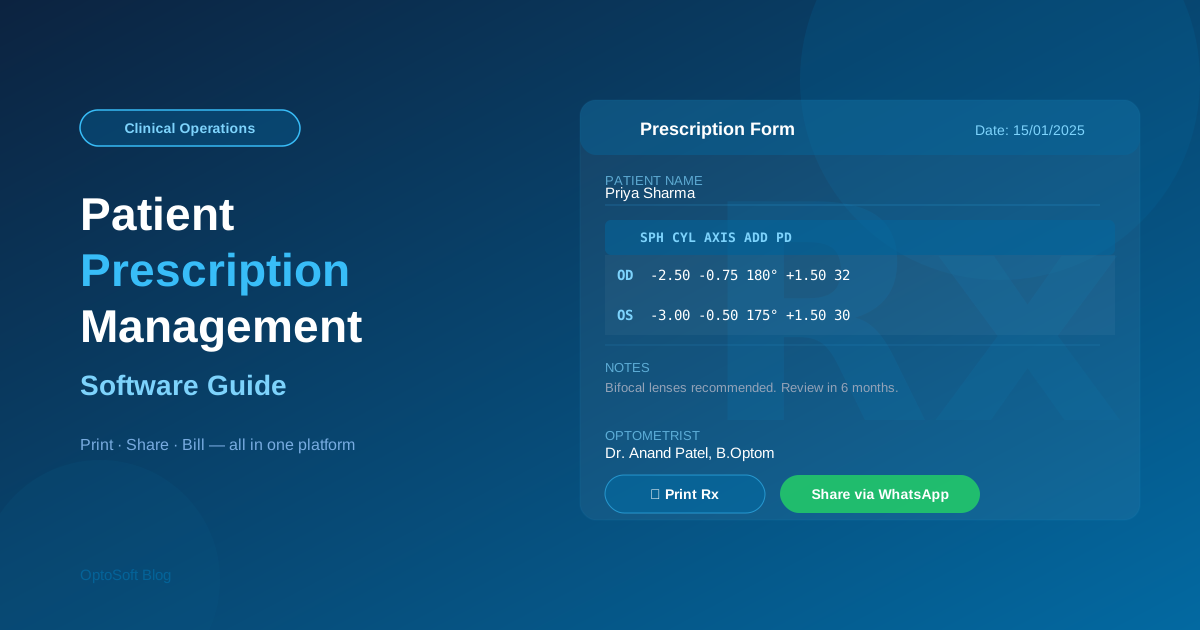
- Spectacle prescription: Sphere, cylinder, axis, and addition power for both eyes, with prescribed date and expiry
- Contact lens prescription: Base curve, diameter, power, and brand, with wearing schedule notes
- Dispensing notes: Frame style, lens material, coatings, and pupillary distance measurements
- Order and collection history: What was ordered, when it was collected, and what was paid
- Consultation notes: Any clinical observations or follow-up instructions from the optometrist
The Power of Prescription History
One of the most underused features of a digital prescription system is historical trending. When you can see a patient's last three or four prescriptions side by side, you can spot progression patterns, anticipate when they will need a stronger prescription, and have a much more informed conversation during the next appointment.
OptoSoft stores complete unlimited prescription history for every patient. There is no archive limit, no extra charge for older records, and no data ever gets deleted.
Automating Renewal Reminders
Most optical prescriptions are valid for one to two years. After that, the patient needs a new eye test before new lenses can be dispensed. The challenge is that many patients forget — and unless you remind them, they simply delay or go to a competitor.
OptoSoft's CRM integration solves this automatically. You set the reminder window (e.g., 30 days before prescription expiry), and the system sends a personalised WhatsApp message or SMS to each patient when their prescription is approaching expiry. These messages can include a direct booking link, a promotional offer, or simply a friendly reminder — all without any manual effort from your staff.
Contact Lens Subscription Management
Contact lens patients are among the most valuable and most at-risk customers in optical retail. They need regular replacements, which means regular purchases — but if you are not proactively reaching out, they will simply order from an online retailer next time.
A prescription management system that tracks contact lens wearing schedules, pack quantities, and reorder dates can automatically remind patients when they are running low on lenses. This simple automation can significantly increase contact lens revenue without any additional marketing spend.
Making the Most of Your Prescription Data
Beyond individual patient management, aggregate prescription data is a powerful business intelligence tool. Understanding the distribution of prescriptions in your patient base — what percentage are myopic, what proportion need progressives, how many contact lens wearers you serve — helps you stock the right inventory, hire the right expertise, and target your marketing more effectively. OptoSoft's reporting tools make this analysis straightforward.